How brand activation at the Monaco Grand Prix works
For one week a year the city itself becomes the venue. What a brand can actually do there, what has to be secured, and when the work starts.
Being “at the Grand Prix” can mean three very different things, and confusing them is an easy way to waste a budget.
What are the three ways a brand can be present?
The first is an official partnership with the race: rights, trackside presence and everything negotiated with the organiser. It’s a world of its own, with its own calendar and its own gatekeepers, and it isn’t what this guide is about.
The second is hospitality, which means buying places to watch from: terraces, suites and decks. It’s a specialist market with its own operators, priced the way scarce inventory always is. If a view of the track is the whole point, that’s where to buy it, and a hospitality broker will serve you better than an event planner.
The third is the one we work in: private activation around the race. That might be a dinner for clients the brand has flown in, a discreet product moment, or an evening that makes the invitation worth more than the ticket. It needs no rights and no logo at the track, because nothing is sold there. It makes use of the week and gives guests something a grandstand can’t: a table, a conversation and a reason to remember who invited them.
Why does a street circuit change the planning?
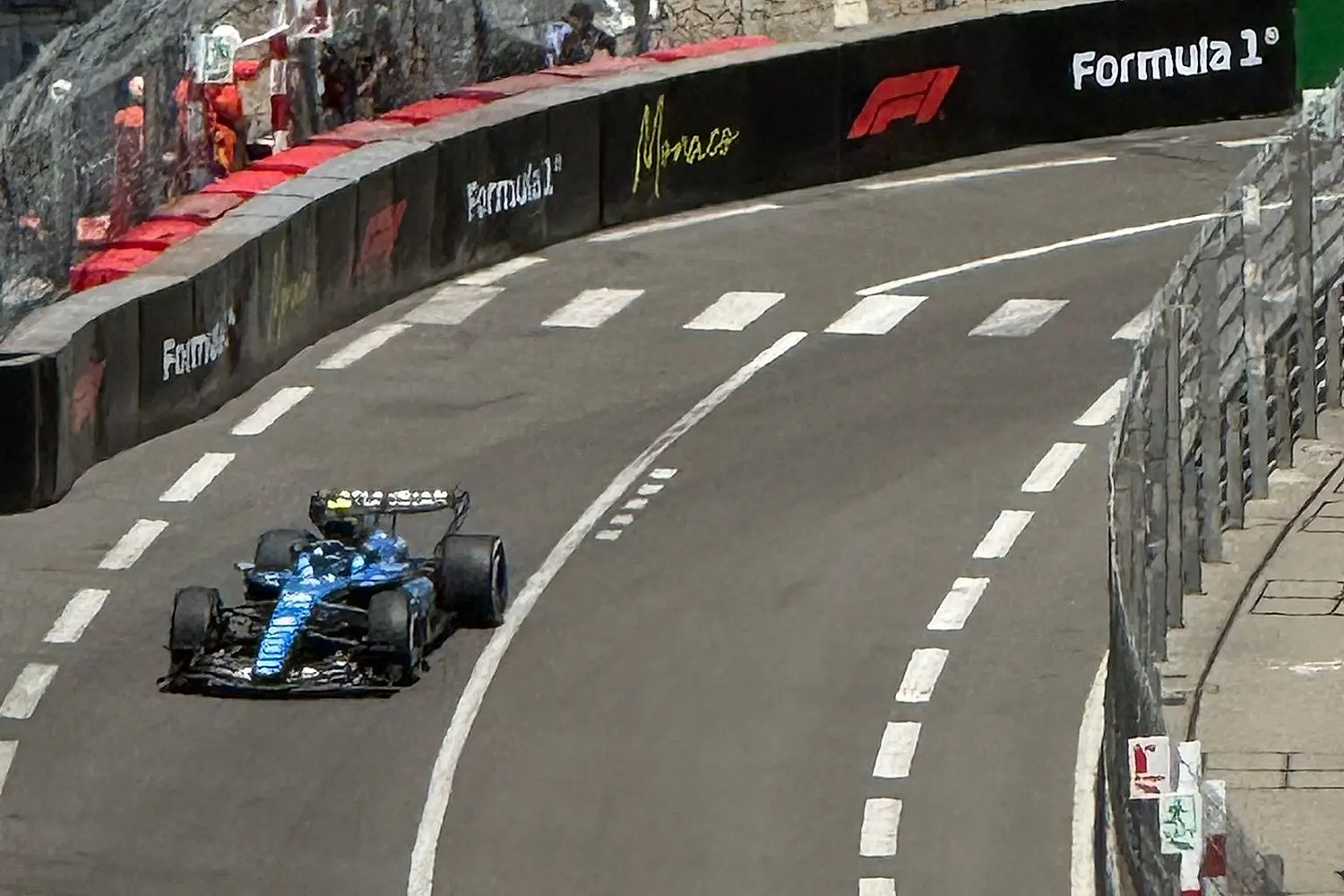
On a street circuit, the city itself is the venue. Barriers go up weeks before the first practice session, whole streets change use, and access that’s easy in February becomes a planning problem in race week. That has two consequences.
First, moving guests around has to be planned in detail. Where cars can actually get to, where people have to walk and how long a short distance takes on a race day are rarely what the map suggests, and they decide whether your evening starts on time.
Second, the timing within the week matters as much as the week itself. The right hours for a private event are when the track is quiet: the evenings, and the days either side of the sessions. A good activation works around the race schedule rather than against it.
What has to be secured first?
Start with the dates and the guest list. The week is fixed, and everything else depends on numbers. Next comes the venue, because private spaces in and around the Principality are the one thing nobody can find at the last minute that week. Then the permits: race week has its own extra layer of rules, and authorisations take longest exactly when everyone is applying for them. The order matters, because each step narrows the options for the next.
What does a brand need to bring?
A clear purpose matters more than a bigger budget. The brands that get the week right know what the evening is for: thanking the clients who matter, launching something quietly, or putting the right thirty people around one table. The ones that get it wrong buy visibility in the one week when every brand in town is buying it too.
Where to start
We only need a short brief: who your guests are, what you want them to take away, and whether the race is the main event or the backdrop. We take care of everything else, including the venue, the food, the timings and the cars.